

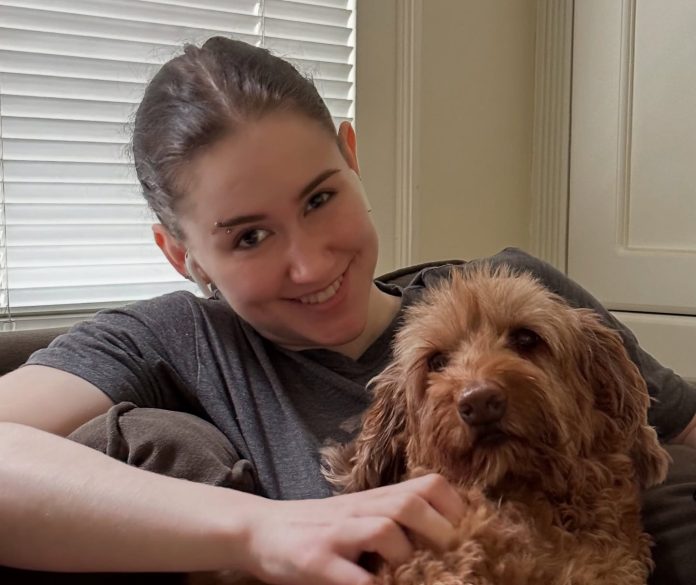
A first-year University of Victoria student who died after consuming a fentanyl-laced street drug in her campus residence in January 2024 “likely would not have died” if the response to the incident had been different, according to a new independent report commissioned by the university.
The 123 page report, authored by lawyer and former Abbotsford police chief Bob Rich, was released publicly by UVic this week.
It details the events surrounding the death of 18-year-old Sidney McIntyre-Starko and offers 18 recommendations aimed at improving safety and emergency response on campus.
McIntyre-Starko, who had never previously used street drugs, was one of three students who gathered in a third-floor bathroom of the Sir Arthur Currie residence building on the evening of January 23rd of last year.
The trio used a paper straw to inhale what they believed to be cocaine, unaware it was laced with fentanyl. Sidney collapsed in the dimly lit dorm room moments later.
Another student fell unconscious in the hallway outside. The third, though impaired, called 911 — but failed to disclose the drug use to emergency personnel or campus security officers who were first to arrive.
The report found that the early signs of an opioid overdose — shallow breathing, small pupils, and skin turning blue — were either missed or misinterpreted by security officers and the 911 dispatcher, who were told the students had suffered seizures.
As a result, nasal naloxone was not administered until 13 minutes after the girls collapsed, and CPR was delayed until Sidney went into cardiac arrest.
Rich’s investigation revealed that neither of the responding security officers had previously dealt with an opioid overdose and were not equipped with oxygen, which had been removed from their kits in early 2023. The confusion was compounded by a lack of clear leadership on site and a communication breakdown between staff and emergency responders.
“If the security officers had been told when they arrived that the two students had taken drugs, they would have immediately administered naloxone,” the report reads. “Like many tragic events, there were several points where, had the response been different, Sidney likely would not have died.”
Sidney was taken to Royal Jubilee Hospital and placed on life support. She died three days later, on January 26th. Her family later honoured her wish to be an organ donor.
The report also found troubling gaps in communication and support following the incident.
No university staff attended the hospital that night. Sidney’s emergency contacts were not notified by the school — her brother, also a UVic student, was informed by a witness. It took him hours to locate his sister in the hospital and reach their parents, by which time it was too late for their mother to travel to Victoria before Sidney died.
Meanwhile, the two other students involved were left vomiting in the residence with no medical oversight until security officers returned to take them to hospital. No follow-up support was immediately provided to the many students who witnessed or responded to the traumatic event.
University President Kevin Hall said UVic fully accepts the 18 recommendations laid out in the report, which include improving staff training, reinstating oxygen in first-aid kits, clarifying command structure in emergencies, and enhancing communication protocols.
“The safety and wellbeing of our campus community are top priorities, and the recommendations in this report are important in ensuring Sidney’s death leads to meaningful and lasting change,” said Hall. “While the university has taken action over the past year to improve safety on campus, there’s more to do and we’re committed to the work ahead.”
Rich’s review is in addition to an upcoming BC Coroners Service inquest, scheduled to begin April 28th. His findings also complement work being done by the BC Post-Secondary Overdose Prevention and Response Steering Committee to improve overdose response at institutions across the province.
The full report can be read here.