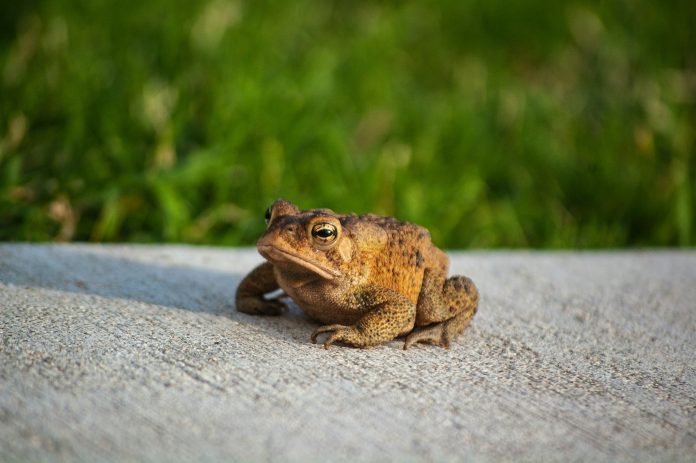
It’s that time of year again! Western toads are in the process of actively migrating.
The Cowichan Valley Regional District (CVRD) is warning residents to look out as juvenile toads, which often number in the hundreds or even thousands, move from the wetlands they were born into to terrestrial habitats.
Western toads no longer feed on algae as they mature, and instead begin to feed on insects, which requires that the toads migrate.
As they do so, these toads are vulnerable to the tires of fast-moving cars and bicycles.
The CVRD said in a notice that hot spots for these toads include Sahtlam, Glenora and Cowichan station, and that anybody moving through these parts should be aware that toads may be crossing the roads.
Across the world, amphibian populations are in decline. In the Cowichan Valley, Western toads represent part of the region’s native amphibian diversity and the need to protect the species is paramount.
“Please slow down and watch for toads in CVRD parks and trails, especially along the Cowichan Valley Trail and marshy or wetland areas—and help keep the toads safe,” reads the CRVD notice.
The fragility of the Western toad migration process has been an area of concern for the Province for years, and the BC Government has taken measures to try to help the toads complete this process more safely.
One of these such measures is called ‘toad roads,’ which are a series of tunnels that go under the roads to help the toads travel across roadways unharmed.
In 2021, BC’s Ministry of Transportation constructed many of these tunnels west of Duncan to assist toads’ migration to their breeding grounds at Wake Lake.
A year earlier, a similar project was completed under Highway 4 between Tofino and Ucluelet in the Pacific Rim National Park Reserve.
While these tunnels save hundreds of individual toads each year, they do not cover every migration path on Vancouver Island and residents are encouraged to drive slowly and be aware.
The CRVD also says that residents who wish to assist the district and become ‘frogwatchers’ can help monitor and identify areas of concern and declining trends or loss of species by helping collect data.
For more information on becoming a frogwatcher, click here.
💬 Join the conversation
No comments yet — be the first to start the conversation