
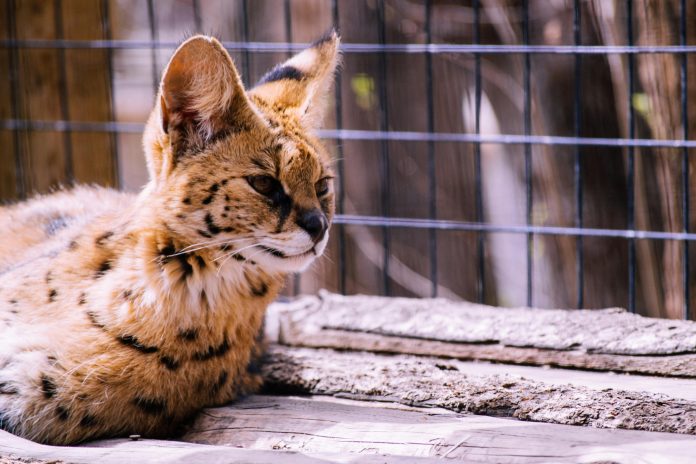
The BC government has moved forward with a ban on breeding, transport and future ownership of all non-native and non-domestic cats.
The changes to the Controlled Alien Species Regulation (CASR) officially came into effect as of Friday, May 1st.
According to the Province, exotic cat species pose risks to public safety, pets and wildlife and often can not be safely or humanely cared for in private homes.
Because these exotic cats are skilled hunters, if they escape or are released, they can hunt and kill native wildlife, such as birds, small mammals and reptiles.
This has happened multiple times in Greater Victoria over the past few years and can put additional pressure on already vulnerable species and ecosystems.
The aim of this ban is to strengthen protections for public safety, animal welfare and ecosystems in British Columbia.
Those who already own exotic cats will not have to give them up, but will have to apply for a free permit to keep their existing pets for the remainder of the animals’ lives.
Species covered by the new changes include servals, caracals, ocelots, European and African wildcats, Asian golden cats, fishing cats, jungle cats, marbled cats and hybrid cats within four generations.
This extension of existing legislation already banned the ownership, breeding or transport of large exotic cats, such as lions, tigers, jaguars, leopards and cheetahs.
The Province noted that recognized domestic hybrid breeds, such as Savannah, Bengal and Chausie cats may continue to be kept as pets without a permit.
Hybrid cats that are not a recognized domestic hybrid breed and have a wild ancestor within four generations are considered controlled alien species and do now require a permit under these changes.
Owners of one of the newly banned species must apply for a permit to keep, transport or ship their existing pets and those who do not apply for a permit within the one-year grace period risk being denied a permit and may be subject to penalties under the Wildlife Act.
These changes were first introduced in July 2025. The Province says that over 3,000 people provided feedback since then in addition to feedback from animal-welfare organizations such as BC SPCA.
💬 Join the conversation
No comments yet — be the first to start the conversation