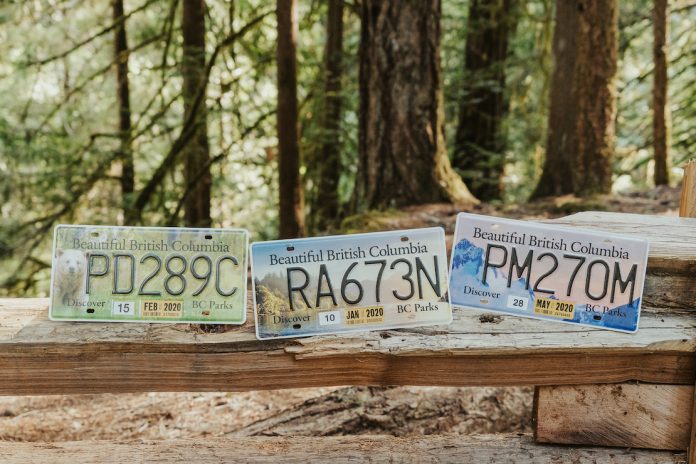
If you’ve spotted a BC Parks licence plate on the road, you’re looking at more than just a scenic design! They represent a powerful commitment to preserving the province’s natural beauty.
Over the past year, these plates have been driving real change across British Columbia, from restoring endangered species to expanding access to outdoor recreation and deepening respect for Indigenous knowledge and land.
Between April 2023 and March 2024, more than 84,000 BC Parks plates were sold—marking a 7% increase over the previous year.
Since the program launched, over 552,000 plates have been purchased, generating more than $54 million in net revenue.
That money goes directly into parks, supporting over 250 programs and projects that enhance both the environment and the visitor experience.
“Everyone who has bought BC Parks licence plates is supporting a more sustainable future by contributing to the protection and preservation of unique species and sensitive ecosystems, as well as supporting First Nations to share their cultures and histories,” said Tamara Davidson, Minister of Environment and Parks.
“My recent visit with BC Parks staff has shown me first-hand the work that can be accomplished with these programs that are making an incredible impact on parks.”
For example, at Hornby Island’s Helliwell Park, licence plate funds are helping revive the population of Taylor’s checkerspot butterfly, a species once thought extinct in Canada.
In Gowlland Tod Park near Victoria (also known by its SENĆOŦEN name SNIDȻEȽ) funding has helped support the SNIDȻEȽ Resiliency Project, led by the PEPÁḴEṈ HÁUTW̱ Foundation.
The project blends ecosystem restoration with cultural education, engaging more than 500 students and volunteers in removing invasive species, planting native ones, and restoring the land.
Interpretive signage is also being installed to help park visitors understand the significance of the area to the W̱SÁNEĆ people, who have lived there for generations.
Elsewhere in the province, funds have helped purchase adaptive mountain bikes in the Kootenays for people with mobility challenges and support youth-focused initiatives like the Student Ranger Program.
Educational efforts are also thriving, including the BC Parks iNaturalist Program, which has logged more than one million species observations thanks to over 13,000 contributors.
The data has helped scientists discover threatened species and even identify new ones for BC and Canada.
“Your BC Parks licence plate not only looks great on your car, it shows you are a proud BC resident who supports the most beautiful places in this province,” said Andy Day, CEO, BC Parks Foundation.
“Funds from your licence plate are used to keep parks beautiful and create more activities and adventures for you to enjoy, many of which you can now find at www.DiscoverParks.ca. Thanks for keeping BC beautiful by getting a plate.”
A BC Parks licence plate costs $50 to purchase, and $40 to renew each year. For more info on these plates, visit Discover Parks’ website.