

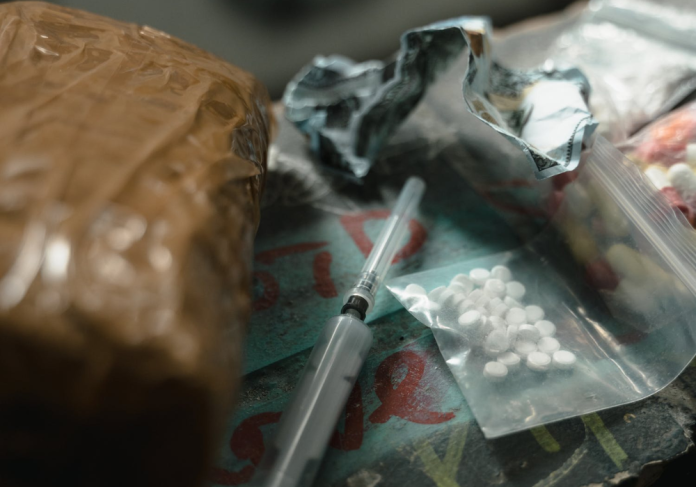
Tuesday, April 14th marks 10 years since BC declared a toxic-drug public-health emergency, first declared by then-provincial health officer Dr. Perry Kendall—and yet, the crisis continues today.
In a joint statement, BC’s Minister of Health Josie Osborne and provincial health officer Dr. Bonnie Henry acknowledged a decade of heartbreak, grief and death as over 18,000 people have died from drug overdoses since April 2016.
The BC Green Party also marked the anniversary, calling for renewed action to address what they describe as an ongoing and preventable crisis.
Osborne stated that while deaths from toxic drugs have declined from 2,315 in 2024 to 1,826 in 2025, and an estimated 49,560 deaths were prevented through harm reduction interventions, that “even one death is one too many.”
Over the last 10 years, the province has introduced overdose prevention sites, take-home naloxone, drug checking, opioid agonist treatment, prescribed alternatives, supportive housing and more, yet despite those efforts, there is an increasingly toxic and unpredictable drug supply.
“Over the years, the increasingly toxic and unpredictable street-drug supply has turned an already serious situation into something far more dangerous, putting people at extreme and increased risk,” said Dr. Bonnie Henry.
In a statement, BC Green MLA Jeremy Valeriote said the province must take a more evidence-based approach moving forward.
“The government declared this an emergency—it’s time they acted like it,” said Valeriote. “More than 18,000 people have died due to the toxic drug supply in the past decade. These numbers represent far more than statistics—each death is a brother, a sister, a parent, a friend and neighbour.”
“The emergency has been exacerbated by various factors, including the COVID-19 pandemic, gaps in the health-care system, housing instability and homelessness, poverty, the impacts of colonialism and racism, criminalization and stigma, as well as other determinants of health.”
Men, Indigenous people and trades people account for a disproportionate number of overdoses and deaths in BC—a pattern that has remained consistent throughout the crisis.
However, many of those dying are not struggling with addiction at all. Recreational users and those unknowingly exposed are losing their lives because the supply is so contaminated that even a single encounter can be fatal.
The Greens also raised concerns about recent policy changes, including the rollback of decriminalization and a shift toward involuntary treatment, while noting that voluntary treatment options remain limited.
The statement affirms that harm reduction services are saving lives and that continued investment in them is essential—with both Osborne and Dr. Henry calling for new innovative approaches that meet people where they are.
“The Province needs to be guided by evidence—not policy-by-polling,” Valeriote added. “We need to expand harm reduction measures that save lives from the unregulated drug supply.”
“Now more than ever, it is essential that we continue to enable access to these services. At the same time, recovery looks different for everybody and there is no single approach that will end this crisis,” said Henry.
The BC Greens said they will continue to push for expanded voluntary, community-based treatment, regulated alternatives and consistent standards of care across the province.
As BC marks this sobering milestone, the province remains committed to expanding what is working—but with lives being lost every day, the work is far from over.
💬 Join the conversation
0 people are talking about this