

WorkSafeBC urges workers to prioritize safety as weather conditions shift
Especially surrounding slips, trips and falls.


With autumn upon British Columbia and winter not far away, WorkSafeBC is urging employers and workers alike to prioritize safety.
This means taking steps to prevent slips, trips and falls. The organization says injuries from these types of incidents increase by around 37% between November and March.
Specifically, WorkSafeBC highlighted same-level slips, trips and falls as dangerous.
A same-level fall happens when a person loses their balance on a flat surface, walkway, floor or ground which is the same as they are standing or walking on, without dropping to a lower elevation or height.
Same-level slips, trips and falls account for nearly 7,000 WorkSafeBC claims every year, representing around 12% of all accepted claims.
Furthermore, these types of injuries result in an average of 500,000 lost workdays and over $200 million in claim costs.
Between 2021 and 2025, there were 11 workers who died due to falls from a same-level fall.
According to WorkSafeBC, same-level slips, trips and falls occur most commonly in the service industry.
Trades, construction, transportation and warehousing and manufacturing accounted for the next highest number of claims.
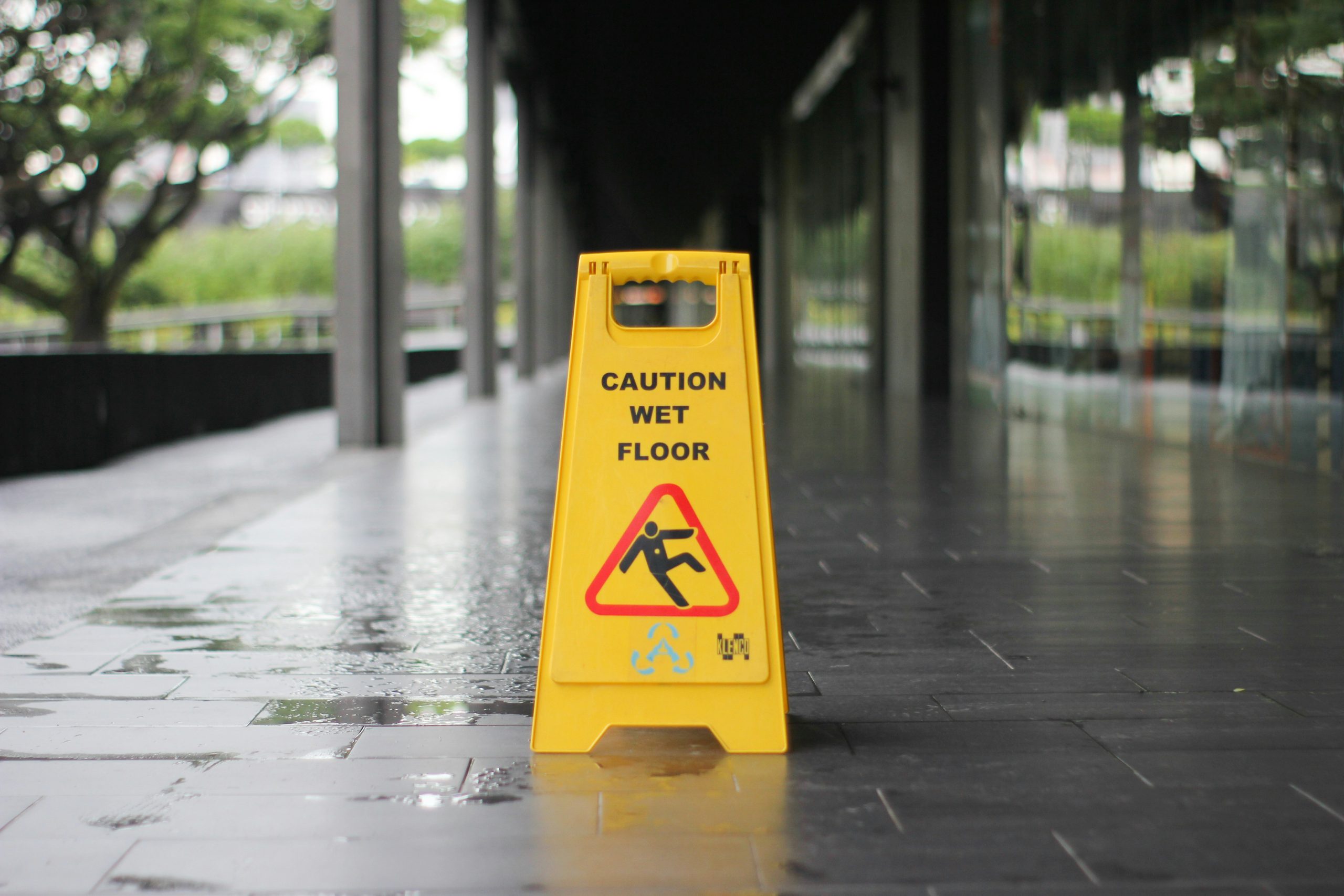
WorkSafeBC says that some common hazards include wet or uneven surfaces, poor housekeeping, inadequate lighting and obstacles in walkways.
The most common injuries included sprains, strains, fractures, concussions and other serious injuries.
“These incidents are among the most common workplace injuries in BC Employers play an important role in making sure workers can move through the workplace safely,” said Todd McDonald, head of prevention services at WorkSafeBC.
“Regular inspections, prompt cleanup, good housekeeping practices, proper footwear, and involving workers in identifying risks can make a meaningful difference.”
The organization says that employers can help prevent slips, trips and falls by developing and implementing plans that identify hazards, implement controls and monitor outcomes.
One example provided was to ensure electrical wires, cords and hoses are kept where they will not create tripping hazards.
Employers are encouraged to engage with their workers while employees are encouraged to be wary of working conditions and bring any concerns to the attention of a superior.
Join the conversation
No comments yet — be the first to start the conversation
Add Victoria Buzz as a preferred source to help our reporting appear more often in Top Stories and Google’s AI results.