
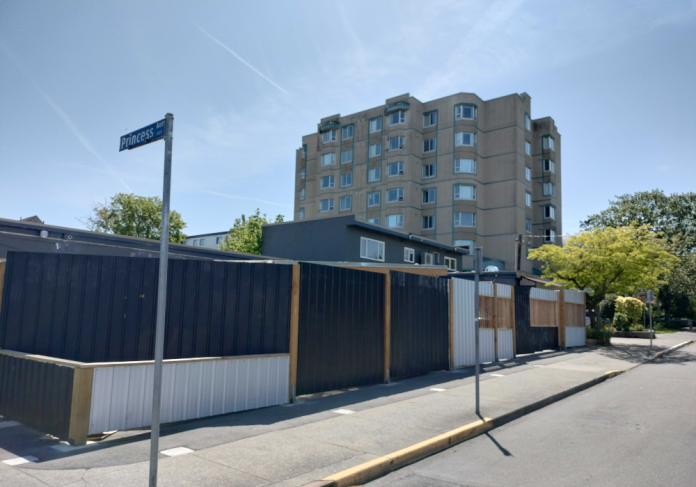
Four months in, and Victoria’s recently opened transition care is proving to be a success.
Last June, SOLID Outreach and the City of Victoria announced a new transitional care space to be located at 2155 Dowler Place.
The SOLID-run site began operating as a transitional care access hub in January, and has seen 29 individuals come through their facility to find more permanent housing in just four months.
Since that time, the initiative has persevered through pushback from neighbours of the space and setbacks in construction.
“We’re actually getting a lot of great, positive feedback at this point,” said Tristen Gammie, Site Manager at SOLID’s Dowler Place facility.
“People have come by multiple times, asking us when we’re opening because it’s so quiet, no one even knows we’re running. I think now the neighbourhood realizes there is no consumption here—this is a clean site—and there’s been a lot of good feedback.”
She added that changing the stigma around those who seek the services of the site is key to them, and the SOLID team has been doing all they can to be good neighbours to the community they are now a part of.
What happens at SOLID’s Dowler Place facility?
SOLID’s facility at Dowler Place has 25 beds, a meeting and living space, as well as a large outdoor area that is intended to be an additional meeting space and area for residents to eat and gather.
Since the space was announced, there have been certain misconceptions about the facility and the individuals who would be utilizing SOLID Outreach’s services there.
SOLID staff say that this Dowler Place facility is the first of its kind in Victoria, and so some pushback was anticipated—not all members of the public know what transitional housing/care entails.
The site is a rigorously dry site, meaning there is no drug or alcohol consumption permitted amongst residents.
Additionally, all residents are vetted by staff and case managers on their commitment to recovery and their goal of finding housing to begin a new chapter in life.
“We sit as a group, the case managers, and we go through their intake forms, then we call back to the referrer… after that we meet with them and meet the client, sit down and talk about Dowler, what we do, guidelines around this whole thing and what we can help with,” explained Kori DeSousa, Case Manager at SOLID’s Dowler Place facility.
“If they’re a good fit, we book a time and they can come down when they’re ready or done [recovery/detox].”
DeSousa added that with the residents’ case files she handles, not all of them struggle with addictions. Those individuals work on other goals while the rest of the Dowler Place SOLID clientele attend regular Recovery Additions Support (RAS) meetings.
“RAS is super close to us, it’s a 10 minute walk up the road,” said DeSousa.
“It’s a group you can go talk about your addictions, your detox, your recovery, how you’re doing—it’s like a support system.”
RAS isn’t just for clients of SOLID’s Dowler Place facility either, it is open to all community members who are going through recovery.
(More below)
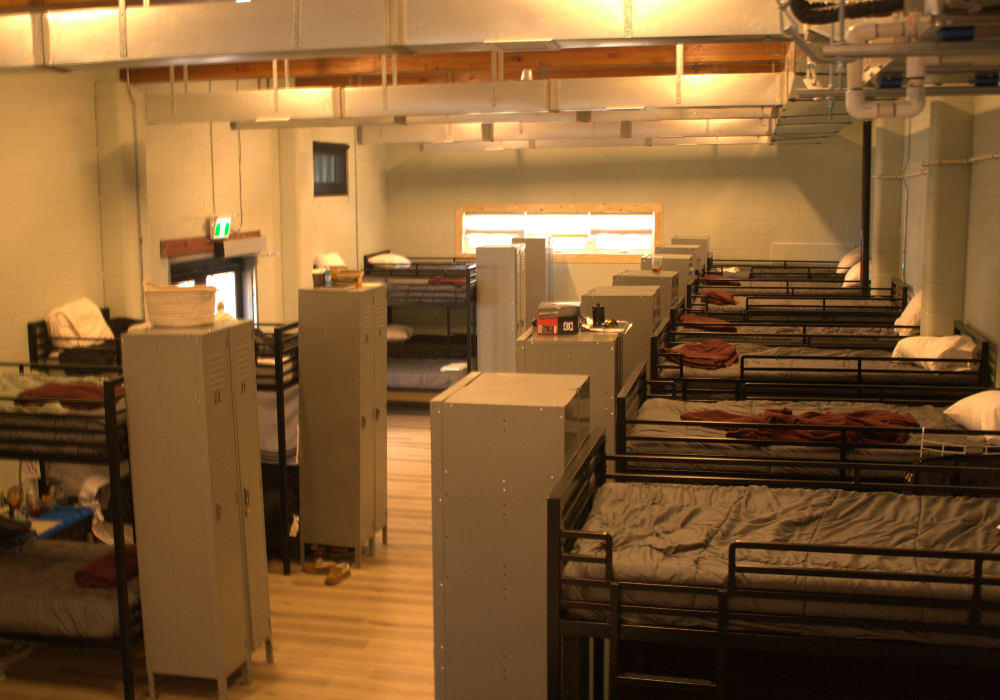
Though RAS isn’t run by SOLID’s team, there are a myriad of other staff-run and volunteer presented programs and services that residents at 2155 Dowler Place have access to.
Some of this programming includes QomQem Indigenous healing recovery teachings, art groups, men’s and women’s groups, parenting support, movie nights, nature outings, Alcoholics Anonymous meetings and more.
Most recently, SOLID launched a street cleanup crew out of Dowler Place, designed to help residents and members of the neighbourhood connect and form a better sense of community.
Two residents will go out for two hours on a specific route through North Park and clean up any garbage or refuse in parks and along the street and get paid for their work.
“It’s a nice way of giving back to the community,” said Gammie.
The case management team at the facility is small but mighty.
Two case managers and one intern handle all resident matters, such as helping them set goals, attend appointments, find housing, set up bank accounts, get on social assistance, get valid government identification, maintain sobriety, find employment, maintain contact with family, navigate legal services and so much more, depending on the needs of the individual.
“It’s all client-based and -centred…it’s based on what they want to do, their individual goals,” DeSousa explained.
“They make three long-term goals and three short, and we look at what else they need for their file—what they need to go back out into the world and be ready.”
SOLID success stories from Dowler Place
In just four months, 29 individuals have moved through the facility, managing to complete individualized goals and find care in the community.
Of those 29 success stories, DeSousa told Victoria Buzz about two in particular; however, for the sake of their safety and reputations, their names will remain anonymous.
The first individual dealt with a horrific incident which left him needing a leg amputated, shortly after completing recovery and seeking to start anew.
“He was in an accident, he was trying to help a female who was in the back of a van and she didn’t want to be there, he was trying to help and the [driver] slammed on the gas, pinned him to a tree and he lost his leg,” DeSousa explained.
She met him at the hospital and when he was ready to be discharged, he was taken in by SOLID at Dowler Place.
Following the accident, he was prescribed pain medication, but because he was worried about his recovery journey he had to ween himself off them while dealing with a tremendous amount of pain.
DeSousa and the rest of the SOLID team helped him get crutches, keep up with appointments and ICBC claims, helped him get some other aspects of his life in order, got him fitted for a prosthetic leg and eventually, got him moved into his own place.
Even though this resident is now moved out of Dowler Place, he still checks in and attends certain programs through the facility to keep up with his goals and recovery journey.
The second individual moved through the programing and emerged a leader among the residents at the facility.
He is now employed and housed, all while continuing to access some services through Dowler Place and motivating the new batch of residents currently going through the motions.
“He was a big motivator here for clients,” said DeSousa.
She added that he made the place feel like a real community, pulling everyone together and communicating with other clients to make Dowler Place feel like more than transitional care.
“He’s going to RAS every day, he got a life pass and was going to the gym everyday, he’s working now out in Langford, taking the bus every day to back to meetings and work,” DeSousa continued.
Now that he is successfully out of Dowler Place, he too will continue to come back to help him maintain the course he is now on.
Despite much of the neighbourhood’s disapproval of the SOLID site on Dowler Place, the facility is proving itself to be a site of peace and healing for those seeking to re-enter society with a new lease on life and the support they need to be the best they can be.